How Prompt AC Repairs Can Save Your HVAC System
HVAC systems are vital components in maintaining comfortable indoor environments. They regulate temperature, filter air, and ensure optimal air quality within the home. However, unusual noises emanating from these systems can serve as warning signs of underlying issues that, if ignored, can lead to catastrophic mechanical failure. Identifying and addressing these noises promptly can save homeowners from costly AC repairs and unnecessary discomfort during the peak of summer. This guide explores the different types of noises that may come from an HVAC system and their potential implications, emphasizing the importance of early detection as a means of preserving your long-term investment.
The sound of a functioning air conditioner is typically a low, consistent hum that fades into the background. When that hum is replaced by a sharp screech, a heavy bang, or a persistent hiss, the system is essentially calling for help. Many homeowners make the mistake of assuming these sounds are just "growing pains" of an aging unit, but in the world of mechanical cooling, noise is almost always a precursor to a breakdown. By treating these auditory cues as diagnostic tools, you can intervene before a minor part failure causes a domino effect that destroys the compressor or the motor.
Addressing these issues early is also a matter of logistical planning. Depending on the severity of the damage, the time required to restore your home's comfort can vary wildly. According to HomeGuide, replacing an AC unit can take as little as 4 hours or as long as 3 days, depending on the circumstances. If you wait until the system fails, you may find yourself waiting days for a full replacement in a stiflingly hot house. Conversely, prompt AC repairs targeting a specific noise often take significantly less time and cost a fraction of a full system overhaul.
Identifying Banging or Clanking Noises
Banging or clanking noises in your HVAC system are often indicative of serious mechanical problems. Loose components, such as internal pipes or motor mounts, can create banging sounds when they vibrate against each other during operation. Similarly, blower fan blades that have cracked or become misaligned can hit against other parts of the unit, producing a loud clanking noise. Occasionally, debris such as sticks or leaves trapped inside the condenser can lead to unusual banging sounds. Recognizing these causes early can prevent a loose part from shattering and destroying the internal housing.
Neglecting to address banging noises can lead to significant repercussions. What begins as a minor issue involving a loose bolt can escalate into complete system failure. The constant stress on parts due to vibration and misalignment causes accelerated wear and tear. To avoid these issues, turn off the system to prevent further damage and contact an HVAC professional for a thorough assessment. A timely intervention can prevent the escalation of problems, saving both time and money in repairs.
Recognizing Hissing Sounds and Refrigerant Leaks
Hissing noises in an HVAC system are typically associated with air or refrigerant leaks. These sounds can arise when the system's refrigerant lines develop pinhole leaks, allowing high-pressure gas to escape. Identifying a hissing noise can sometimes be challenging due to its subtle nature, but it is one of the most critical signs of a failing system. In other cases, small holes in the air ducts can lead to air escaping, creating a noticeable whistling or hissing sound that reduces the efficiency of the entire home.
Refrigerant leaks are particularly concerning due to the potential hazards they present. Leaked refrigerant can pose health risks and contribute to environmental damage. Additionally, these leaks reduce the efficiency of the cooling system, resulting in higher electricity bills and increased wear on the equipment as the compressor works harder to compensate for the loss of cooling medium. Homeowners can check visible lines for oily residue, which often accompanies a leak, but because handling refrigerants requires specialized certifications, these AC repairs must be handled by a professional.
Addressing Squealing or Screeching Sounds
Squealing or screeching sounds in an HVAC system are generally caused by worn-out components or a lack of lubrication. Over time, fan belts can wear down and lose integrity, leading to an unpleasant screeching noise as they slip against the pulley. Motor bearings, which require consistent lubrication to function smoothly, can also cause high-pitched sounds if they begin to dry out or fail. Addressing these high-pitched alerts promptly can prevent the motor from seizing entirely.
Ignoring squealing noises can have serious repercussions. Over time, a worn-out belt may snap, leading to a sudden and unexpected system failure that leaves you without air in the middle of a heatwave. Similarly, persistent strain on motor bearings can result in permanent motor damage. Regular maintenance, including routine inspections of belts and lubricating motor bearings, ensures that all components function smoothly. By adhering to these practices, homeowners can maintain system efficiency and avoid the need for an expensive motor replacement.
Troubleshooting Rattling and Buzzing Noises
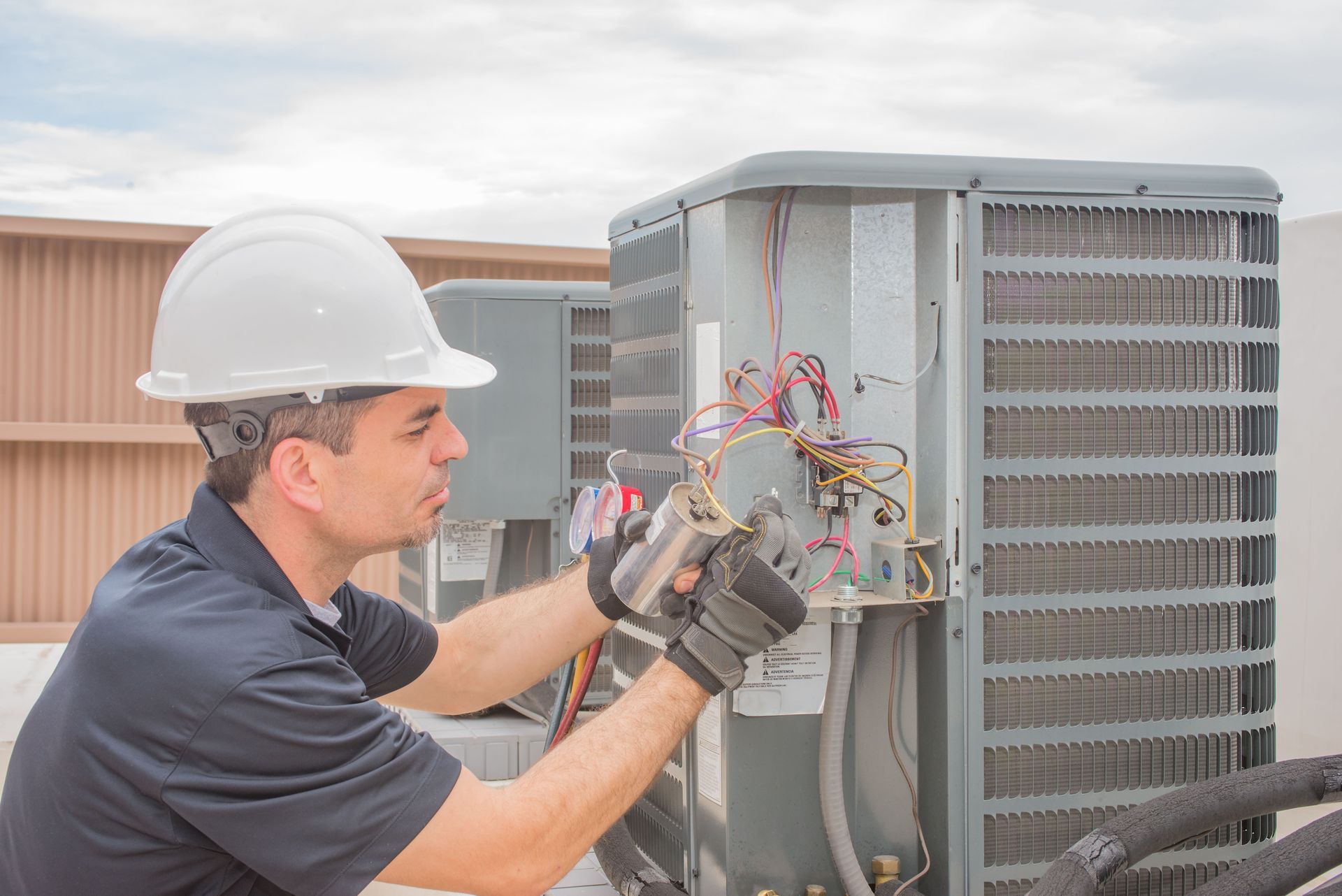
Rattling noises in an HVAC system are often the result of loose or unsecured panels, screws, or internal fasteners. Debris that finds its way into the outdoor unit can also cause rattling sounds as it moves around the fan blades. While tightening a loose screw is a simple fix, persistent rattling can indicate that the internal compressor—the heart of the AC—is starting to fail. Buzzing noises are usually attributed to electrical problems, such as faulty wiring, failing capacitors, or malfunctioning relay switches.
Electrical issues pose a significant risk, including potential fire hazards or short circuits that can destroy the system's control board. Constant vibrations from a buzzing fan motor can also lead to ineffective cooling and unnecessary energy usage. Addressing buzzing and rattling issues promptly through professional AC repairs preserves the system's electrical integrity. Because the repair timeline can stretch into days if specialized electrical components must be ordered, catching these sounds early is the best way to ensure continuous comfort.
Proper attention to HVAC noises can prevent severe damage and extend the lifespan of your system significantly. By understanding the implications of these common sounds, homeowners can ensure their units run smoothly throughout the hottest months of the year. Whether your system requires a minor adjustment to a loose panel or a complex intervention involving refrigerant lines, early detection remains your most powerful tool for cost management.
Regular maintenance and timely professional intervention are key to addressing these concerns before they evolve into total system failures. Such practices not only minimize the cost of AC repairs but also enhance overall system performance and indoor comfort. While a simple part replacement might take just 4 hours, a neglected system that requires a full replacement could leave your family in a home without climate control for up to 3 days.
Investing in proactive measures today ensures that you enjoy the reassurance of a reliable and quiet HVAC system tomorrow. By staying attuned to the sounds of your system and acting quickly when something seems amiss, you protect your home's value and your family's well-being. Do not wait for the silence of a broken unit to realize the importance of maintenance—listen to your HVAC system now and give it the professional care it needs to serve you for years to come.
A quiet and efficient home begins with an HVAC system that is maintained to professional standards. Are you hearing strange noises from your unit and want to prevent a costly breakdown? Visit Van Grol Inc Heating & Air Conditioning online today to explore their
AC repairs and maintenance services and see how the team can keep your home comfortable year-round.