No Ducts? No Problem! How to Cool Older Homes Without Massive Renovation
Preserving the classic charm, intricate woodwork, and historical character of an older home is a deeply rewarding property milestone. These historic residences possess an architectural soul that modern cookie-cutter houses simply cannot replicate, featuring gorgeous lath-and-plaster walls, original hardwood floors, custom hand-carved molding, and unique room layouts. However, maintaining indoor comfort during the peak of summer heatwaves presents a significant engineering challenge for character-rich properties. Most vintage homes were constructed long before the advent of modern air conditioning, relying instead on high ceilings, covered wraparound porches, and large double-hung windows to manage indoor temperatures. When modern homeowners try to retroactively fit standard central air systems into these antique spaces, they are often shocked to learn that doing so requires tearing down original plaster, cutting structural support beams, lowering ceilings to accommodate bulky sheet-metal ductwork, and destroying the very historic details they fell in love with.
When an antique domestic environment is subjected to traditional, heavy-handed HVAC retrofitting, the resulting architectural loss is often permanent and heartbreaking. Rushing into an invasive central air installation destroys the pristine integrity of vintage construction materials that have settled perfectly over a century. Beyond the visual clutter of drop-down drywall ceilings and boxed-in corners, the structural cutting required for massive air trunks can weaken old-growth framing and trigger shifting across your upper floor levels.
Choosing a non-invasive, high-efficiency climate upgrade is a brilliant decision that actively transforms your daily living conditions while preserving your home's original architectural design. Shifting your focus toward alternative cooling strategies allows you to sidestep the extreme expenses and structural stress of a total home remodeling project. Embracing a ductless mini split configuration completely removes the threat of structural demolition from your preservation plans, enabling you to introduce targeted zone cooling exactly where it is needed most. Utilizing a flexible mini split layout ensures your historical wall cavities and decorative plaster details remain completely untouched. Incorporating a modern mini split system into your vintage home provides four distinct structural, financial, and operational advantages over traditional central air conditioning renovations.
Preserving Original Historic Wall Cavities
The first and most critical way that a ductless mini split configuration protects your vintage property involves completely preserving your original historic wall cavities, lath-and-plaster finishes, and decorative ceiling crowns. Installing traditional central air conditioning requires a massive crew to cut wide, invasive channels through your home's framing to run rigid sheet-metal supply trunks and return ducts. This destructive process destroys irreplaceable craftsmanship and often requires homeowners to build ugly drywall soffits that alter the shape and feel of historic rooms.
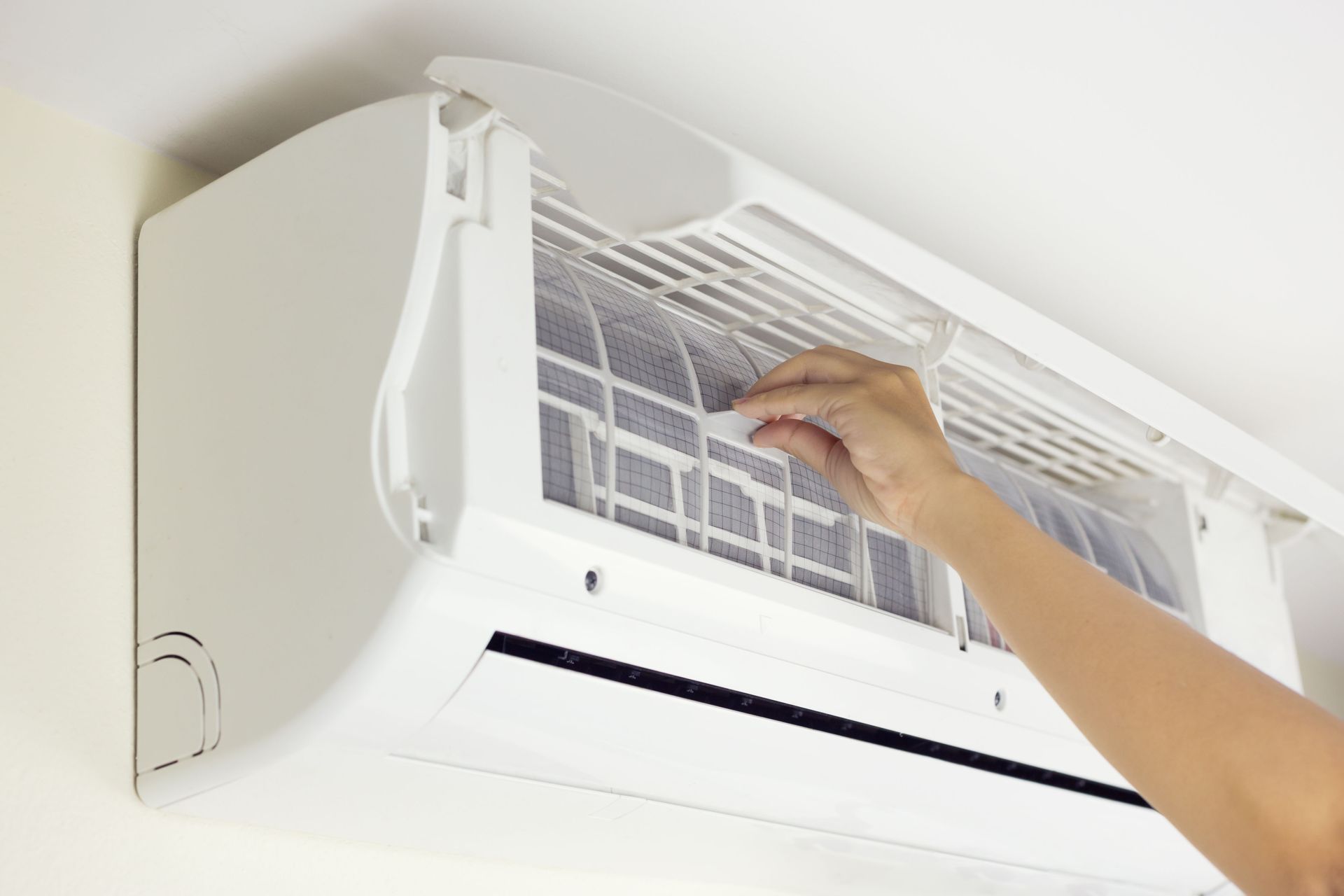
In contrast, a ductless mini split requires zero major structural demolition to deliver powerful, localized cooling. The indoor air handler mounts directly to the wall surface, requiring only a tiny, three-inch hole drilled through to the exterior to pass the necessary utility connections out of sight. According to This Old House, the refrigerant lines connecting the indoor and outdoor units of a mini split typically max out at about 49 to 50 feet. This standard distance limitation provides ample flexibility for residential layouts, allowing you to route the lines seamlessly through hidden closets, unused basement joists, or exterior trim covers to keep the mechanical footprint completely out of your main sightlines.
Establishing Flexible Multi-Zone Climate Controls
Another critical advantage that makes a modern mini split network an absolute necessity for older properties is the ability to establish flexible, independent multi-zone climate controls throughout your home's unique layout. Older homes are notorious for creating intense thermal imbalances, where a sun-drenched second-floor bedroom can feel like an absolute oven while the thick-walled lower dining room stays uncomfortably damp and chilly. Traditional single-thermostat central systems are entirely incapable of balancing these room-to-room temperature swings efficiently.
Deploying a multi-zone mini split framework allows you to connect several independent indoor air handlers to a single, highly efficient outdoor condenser unit. Each room gets its own dedicated mini split head unit and independent thermostat settings, allowing family members to adjust their bedroom comfort precisely without affecting the rest of the household. This customized zone control means you can turn off the cooling completely in unused guest rooms or formal dining areas during the week, drastically slashing your household energy waste and maximizing your daily utility savings.
Maximizing Energy Efficiency Performance Metrics
A highly rewarding and financially protective benefit of shifting your vintage home upgrade toward a high-performance mini split system involves maximizing your seasonal energy efficiency metrics and shrinking your monthly carbon footprint. Traditional central ducted systems are highly prone to massive thermal losses, often wasting up to thirty percent of their total cooling capacity through leaky duct joints, uninsulated attic spaces, and long sheet-metal runs.
Because a ductless mini split delivers conditioned air directly from the cooling coils straight into the room's atmosphere, it eliminates these costly duct-loss factors completely. Modern mini split systems utilize advanced inverter-driven compressors that continuously adjust their motor speeds to match the exact cooling load of the room, rather than blasting on and off in wasteful, high-energy bursts. Prioritizing this efficient technology ensures your historic home achieves modern energy standards, turning high utility bills back into a perfectly controlled, highly predictable household budget.
Improving Daily Indoor Air Filtration Quality
The final, deeply protective benefit of anchoring your older home's cooling strategy around an advanced mini split design involves significantly improving your daily indoor air filtration quality and family respiratory health. Antique houses naturally accumulate decades of hidden dust, ambient moisture, and structural allergens deep inside their structural framing and floorboards. If you install traditional ducts, these hidden particulates will constantly circulate through your breathing zones every single time the system kicks on.
Each independent mini split indoor unit is equipped with its own multi-stage air filtration screen and dedicated dehumidification loop designed to scrub airborne particles instantly. The washable filters inside a mini split handler trap fine dust, pet dander, and pollen before they can settle on your antique furniture, keeping your living spaces noticeably cleaner. Trusting your home's air volume to a dynamic
mini split layout ensures your indoor climate remains beautifully fresh, dry, and healthy, giving your family absolute comfort and total peace of mind through the most humid summer months.
Ultimately, keeping an exceptionally cool, energy-efficient, and structurally unaltered historic home operating over the long haul requires a complete shift away from invasive central duct renovations and temporary window unit setups in favor of an elite ductless strategy run by verified cooling experts. Your home's original plaster finishes, custom structural timbers, and antique layouts function as the absolute foundation for your property's unique historic value and represent a significant financial asset, meaning that trying to cut wide duct channels through original framing or ignoring modern zone efficiency will only lead to ruined architectural details, massive utility bills, and incredibly expensive structural restoration bills down the road.
By taking immediate control of your comfort goals and placing your trust in an experienced team of HVAC installation craftsmen, you successfully safeguard your hard-earned assets and maximize your building's long-term real estate value. If you notice your second-story rooms are becoming uncomfortably hot, see window unit moisture damaging your original wood sills, or are ready to transform your vintage residence into a spectacular, permanently cool architectural masterpiece, contact Van Grol Inc Heating & Air Conditioning online today to secure the elite ductless upgrades your property transition deserves.