November 25, 2026
In today's fast-paced world, home comfort is essential to your well-being. With seasonal weather growing unpredictable, a dependable climate control system is no longer a luxury but a necessity. Modern central cooling systems have become a cornerstone of comfortable living, offering far more than basic temperature regulation. Investing in a professional central air installation can dramatically enhance your quality of life by improving indoor comfort, boosting energy efficiency, and protecting property value. Exploring how these systems operate reveals why they remain the premier climate solution for homeowners.
Understanding Core System Components
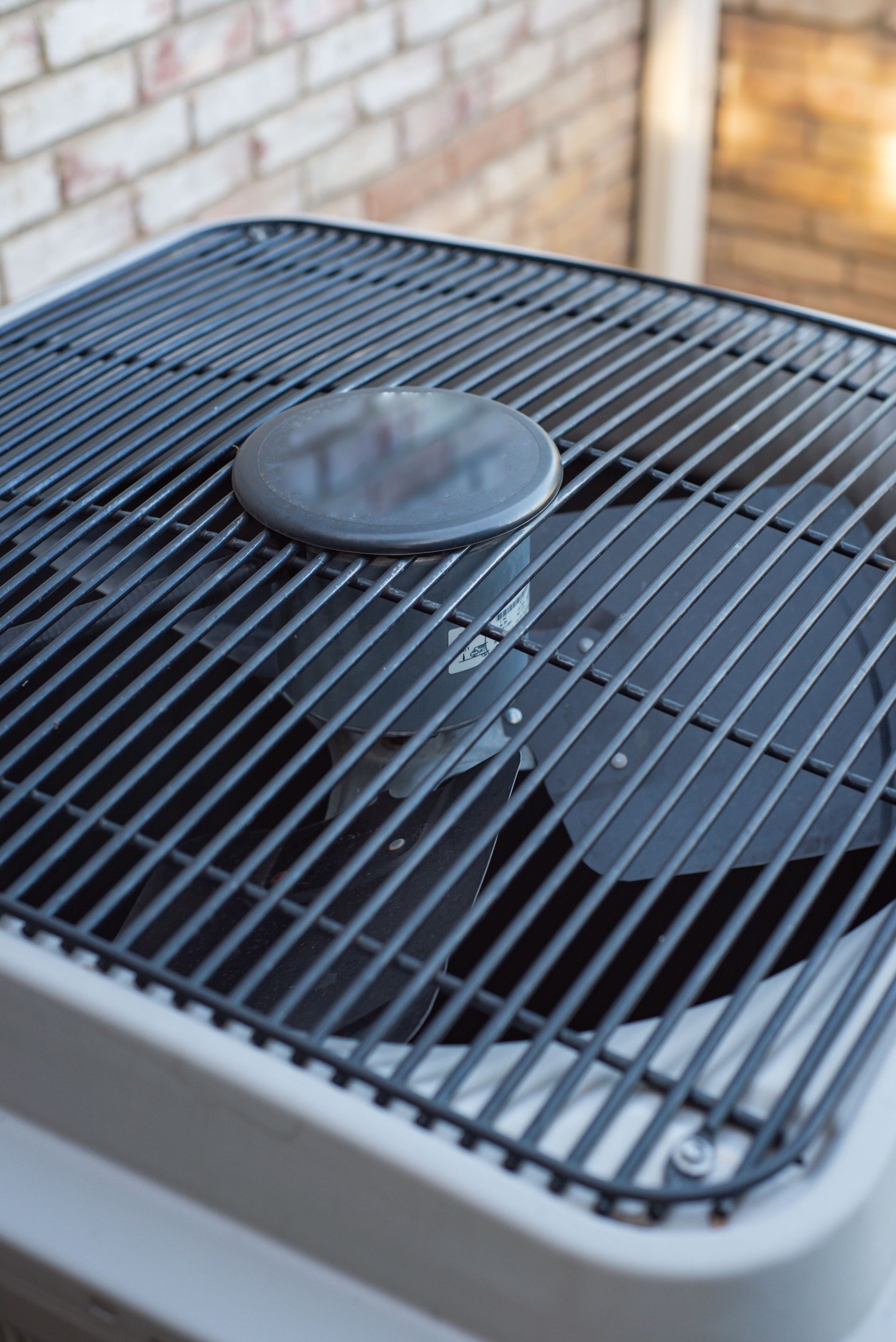
Central air systems rely on synchronized components to regulate indoor temperatures effectively. Primary hardware includes an outdoor condenser, an indoor evaporator coil, an air handler, and ductwork distributing conditioned air throughout every room. The outdoor condenser releases heat absorbed from inside your home, while the indoor evaporator coil draws warmth and moisture from indoor air. Together, these elements operate as a closed-loop cycle delivering reliable climate control.
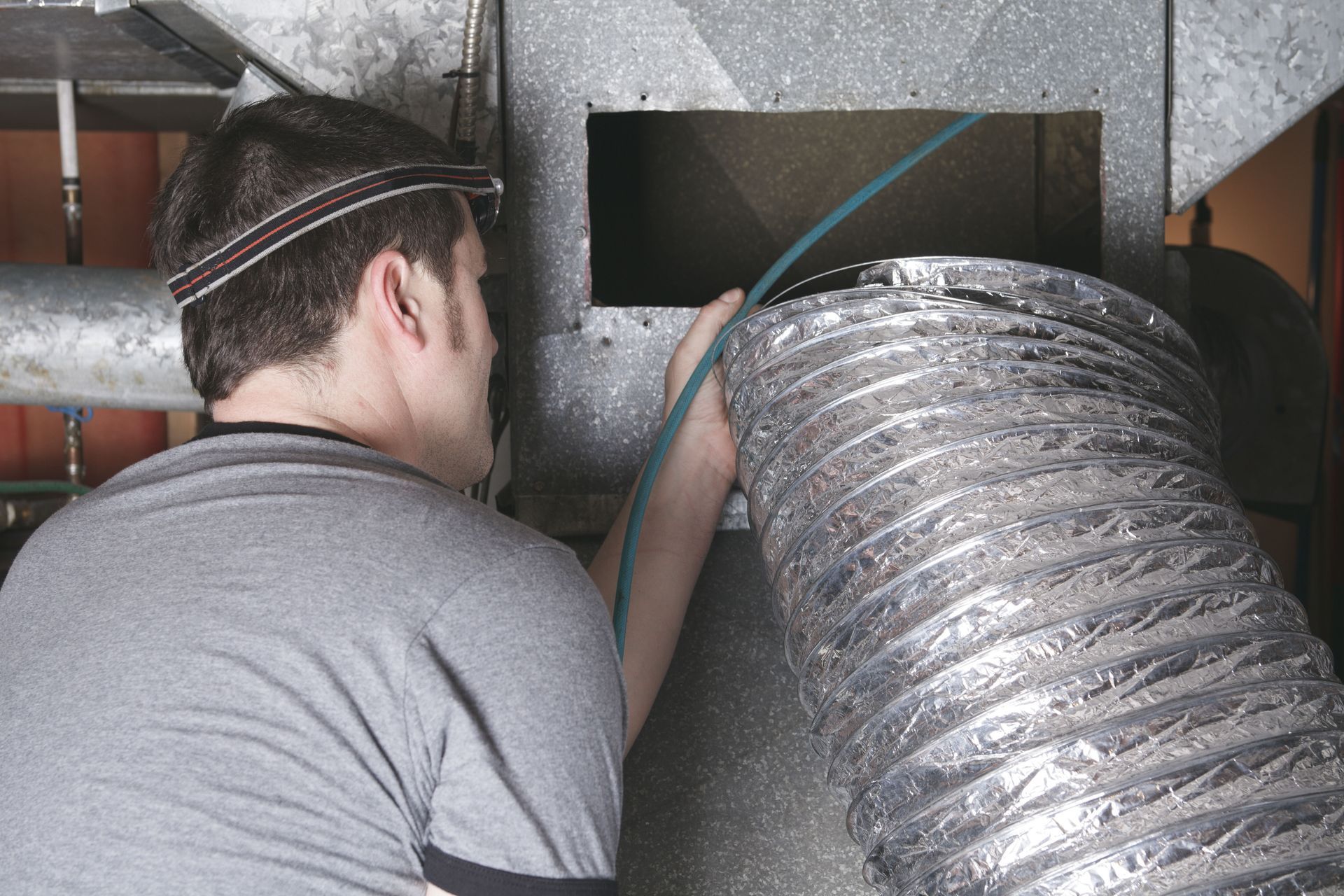
Two supporting components play an equally vital role: the thermostat and the air filter. Programmable and smart thermostats act as the command center, letting homeowners schedule temperature changes and adjust settings remotely. Meanwhile, the air filter traps airborne dust and pollen before air recirculates through the ducts. Because integrating ductwork, refrigerant lines, and electrical connections requires precision, scheduling a professional central air installation ensures optimal airflow, peak efficiency, and long equipment life.
Exploring the Cooling Cycle
A central air conditioner cools your home by transferring heat indoors to outdoors rather than generating cold air directly. During operation, warm indoor air passes over the evaporator coil, where liquid refrigerant absorbs heat and evaporates into gas. That warmed vapor travels to the outdoor condenser unit, releasing captured heat outside and condensing back into a cool liquid. This continuous loop repeats until living spaces reach your thermostat setting.
This thermodynamic cycle excels at conditioning multi-room layouts uniformly. Unlike window units or portable coolers that create noisy pockets of chilly air, a centralized unit operates quietly behind the scenes while balancing humidity. Advanced models also incorporate variable-speed motors that adjust fan and compressor output to match demand, preventing temperature swings and keeping your home consistently pleasant.
Comparing Different System Types
Homeowners planning a central air installation generally choose between split systems and packaged units. Split systems are the most common residential setup, pairing an outdoor compressor and condenser cabinet with an indoor evaporator coil and air handler. Packaged units house all mechanical components inside a single outdoor cabinet, making them ideal for properties with limited indoor space.
Within these layouts, homeowners can select between cooling-only air conditioners and dual-purpose heat pumps. Heat pumps provide year-round comfort by reversing the refrigeration cycle during winter to extract outdoor heat and warm your home efficiently. For older homes lacking ductwork, ductless mini-split systems offer flexible zone conditioning without remodeling. Evaluating your floor plan and climate identifies the best fit.
Maximizing Household Energy Efficiency
Rising utility costs and environmental awareness have made energy efficiency a top priority for homeowners. Efficiency is measured by the Seasonal Energy Efficiency Ratio (SEER), which calculates cooling output relative to electricity consumed. Modern high-efficiency units feature higher SEER ratings than legacy equipment, translating into lower utility bills and reduced environmental strain.
Residential cooling accounts for a substantial share of domestic power consumption. According to the U.S. Energy Information Administration, the average household in the U.S. uses 19% of its electricity on air conditioning. Because cooling demands represent nearly one-fifth of a typical utility bill, upgrading to equipment with inverter-driven compressors and automated scheduling delivers substantial savings. Pairing a high-SEER system with sealed ductwork and clean filters prevents conditioned air from escaping into attics, ensuring every kilowatt translates into comfort.
Navigating the Professional Installation Process
A successful central air installation follows a structured engineering process. It begins with a comprehensive home evaluation, where technicians calculate cooling loads, inspect electrical capacity, and assess ductwork for leaks or sizing issues. Based on those measurements, technicians design a customized layout, positioning supply registers and return vents for balanced circulation across every floor.
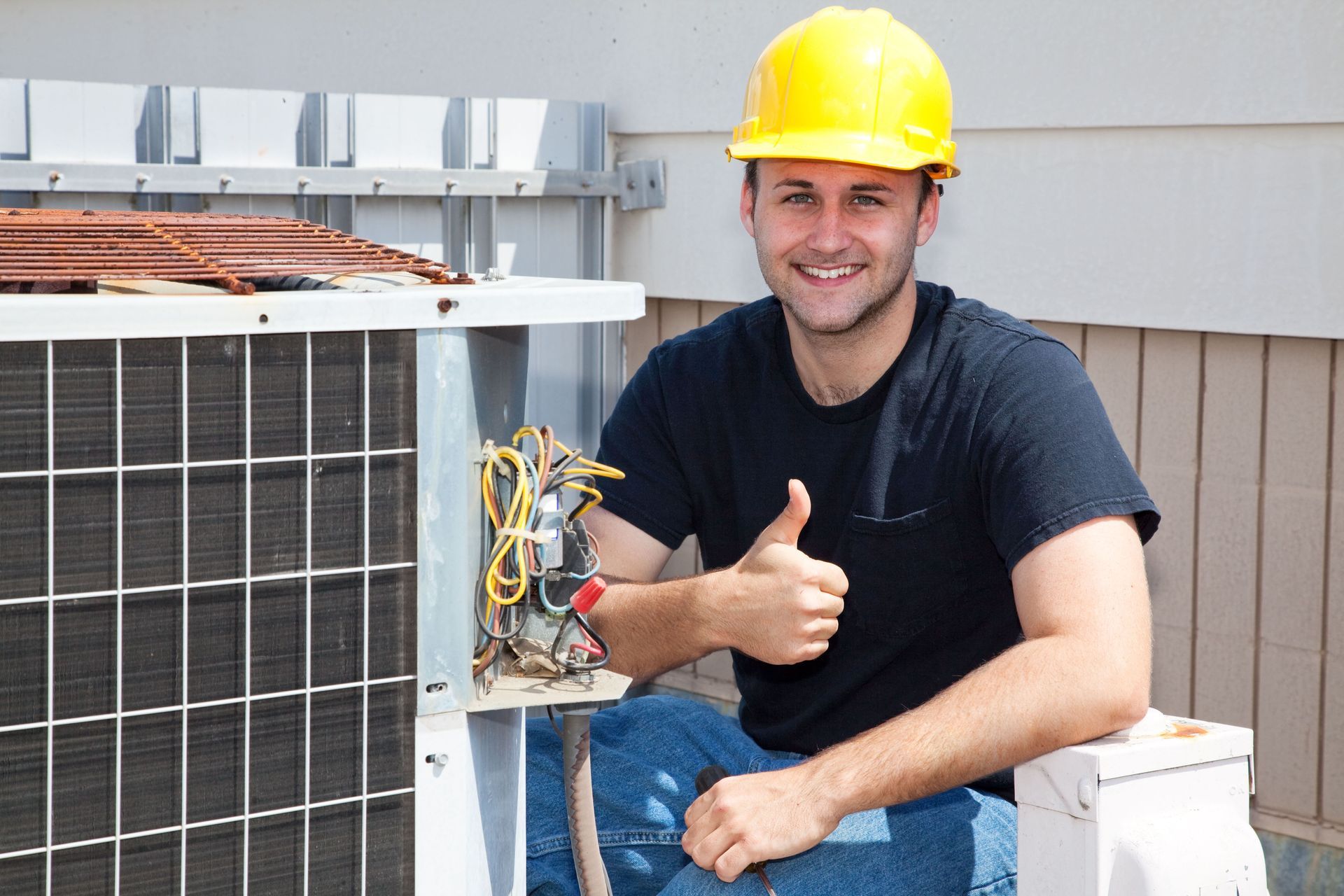
During the build, certified technicians mount indoor and outdoor units, braze copper refrigerant lines, wire electrical disconnects, and calibrate controls. Accurate sizing is critical; an oversized unit short-cycles rapidly, causing excessive wear and poor humidity removal, while an undersized unit runs continuously without reaching target temperatures. Finally, technicians test for leaks, verify airflow, and review maintenance.
Maintaining Consistent Indoor Temperatures
One of the clearest lifestyle upgrades following a central air installation is eliminating hot and cold spots. Because conditioned air travels through dedicated ducts into each room, upstairs bedrooms stay as comfortable as downstairs living areas. Continuous circulation also prevents stagnant humidity, creating a crisp atmosphere during summer heat waves.
Maintaining steady indoor temperatures protects comfort and household budgets. When a home avoids wide thermal swings, the compressor experiences less mechanical stress and consumes less power recovering from heat buildup. Steady indoor humidity and temperatures also protect wood flooring, furniture, and electronics from warping or moisture damage.
Customizing Comfort with Zoned Cooling
For households with diverse comfort preferences or multi-story layouts, zoned cooling elevates temperature control further. Zoning divides a residence into distinct areas—such as bedrooms, home offices, and living spaces—each governed by its own thermostat and motorized duct dampers. Instead of cooling unoccupied guest rooms all day, homeowners direct conditioned air precisely where needed.
This targeted flexibility resolves family thermostat debates while curbing wasted energy. Active spaces like a sunlit kitchen or home gym can receive extra cooling during afternoons, while bedrooms remain energy-efficient until evening. Distributing the cooling workload selectively also reduces component runtime, extending durability.
Integrating Smart Thermostat Technology
Pairing a modern central air installation with a smart thermostat brings unmatched convenience and intelligence to climate management. Connected thermostats let you monitor and adjust indoor temperatures remotely using a smartphone, tablet, or voice assistant. Over time, adaptive algorithms learn household routines, dialing back cooling when everyone leaves and pre-cooling the house before you return.
Many smart models also utilize geofencing and energy reporting to maximize savings. By tracking runtime data and weather forecasts, these devices eliminate guesswork and prevent energy waste in an empty house, making climate control effortless.
Outperforming Conventional Cooling Units
Compared to window air conditioners or portable floor units, a permanent central air installation offers superior performance, aesthetics, and longevity. Window units block natural sunlight, create entry points for noise and security risks, and struggle to cool adjacent rooms. Central systems keep bulky hardware outdoors and rely on discreet interior vents, preserving unobstructed views and peaceful acoustics.
Durability widens the advantage further. While portable units often need replacement within a few years, a well-maintained central air system reliably serves a household for 15 to 20 years. Residential upgrades show that replacing window units with a central system lowers electricity usage while boosting satisfaction and property value.
Enhancing Indoor Air Quality
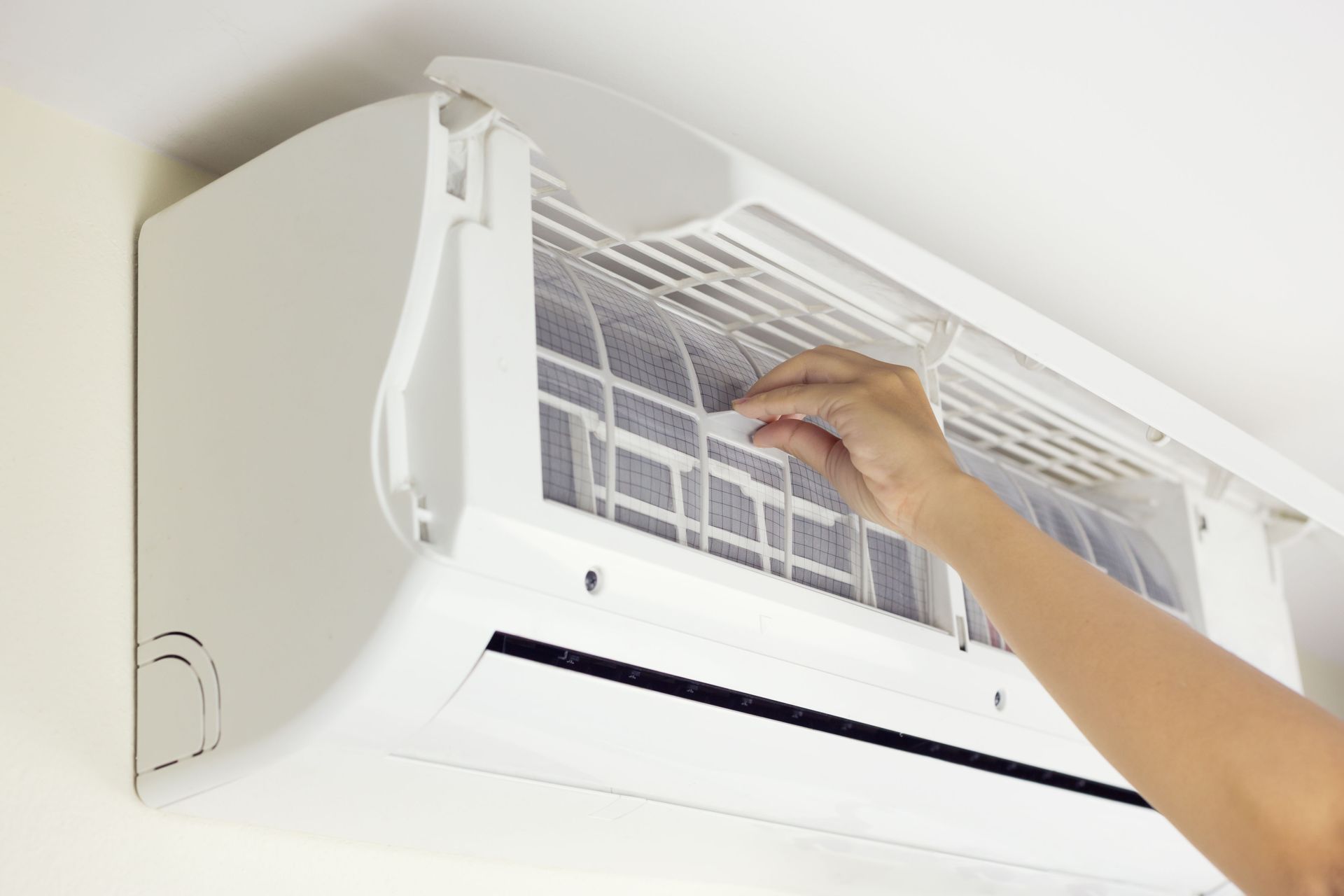
Beyond temperature and humidity control, a thoughtfully designed central air installation actively promotes healthier indoor air. Every cycle draws household air through filtration media that captures pollen, pet dander, dust mites, and outdoor pollutants before they settle on surfaces or irritate airways. Upgrading to pleated or HEPA-grade filters provides stronger protection against allergens.
Clean, filtered airflow also keeps evaporator coils free from dust buildup, preserving efficiency and preventing odors. By combining humidity regulation, quiet operation, and continuous filtration, modern cooling transforms your house into a healthier sanctuary. Ready for dependable, whole-home comfort this season? Contact Van Grol Inc Heating & Air Conditioning today to schedule your consultation and expert installation.